
About Us
Our History and Beliefs
We Believe
We believe, teach, and confess the doctrine of the evangelical Christian faith as it is taught by the Holy Scriptures and faithfully confessed in the Book of Concord of 1580.
We are committed to the pure preaching of God’s Word and the right administration of the holy Sacraments, catechesis of all people in the Christian faith, and liturgical worship consistent with our Reformation heritage.
We are an evangelical, orthodox, and catholic (i.e., universal, Christian) congregation, proclaiming Jesus Christ crucified, risen, and reigning for the salvation of the world.
Our History
From the first service in Literary Hall in 1915 to the present day
1915–1930 The Founding Years
First Attempts in Bayside
In 1907 Pastors George Kaestner and Walter Koenig surveyed Bayside and tried to gather its Lutherans into a mission congregation, holding services for a time in Ahles Hall on Bell Avenue. A second attempt, led by Pastor Theodore Kuehn, met in the parish hall of All Saints' Episcopal Church. Neither took root.
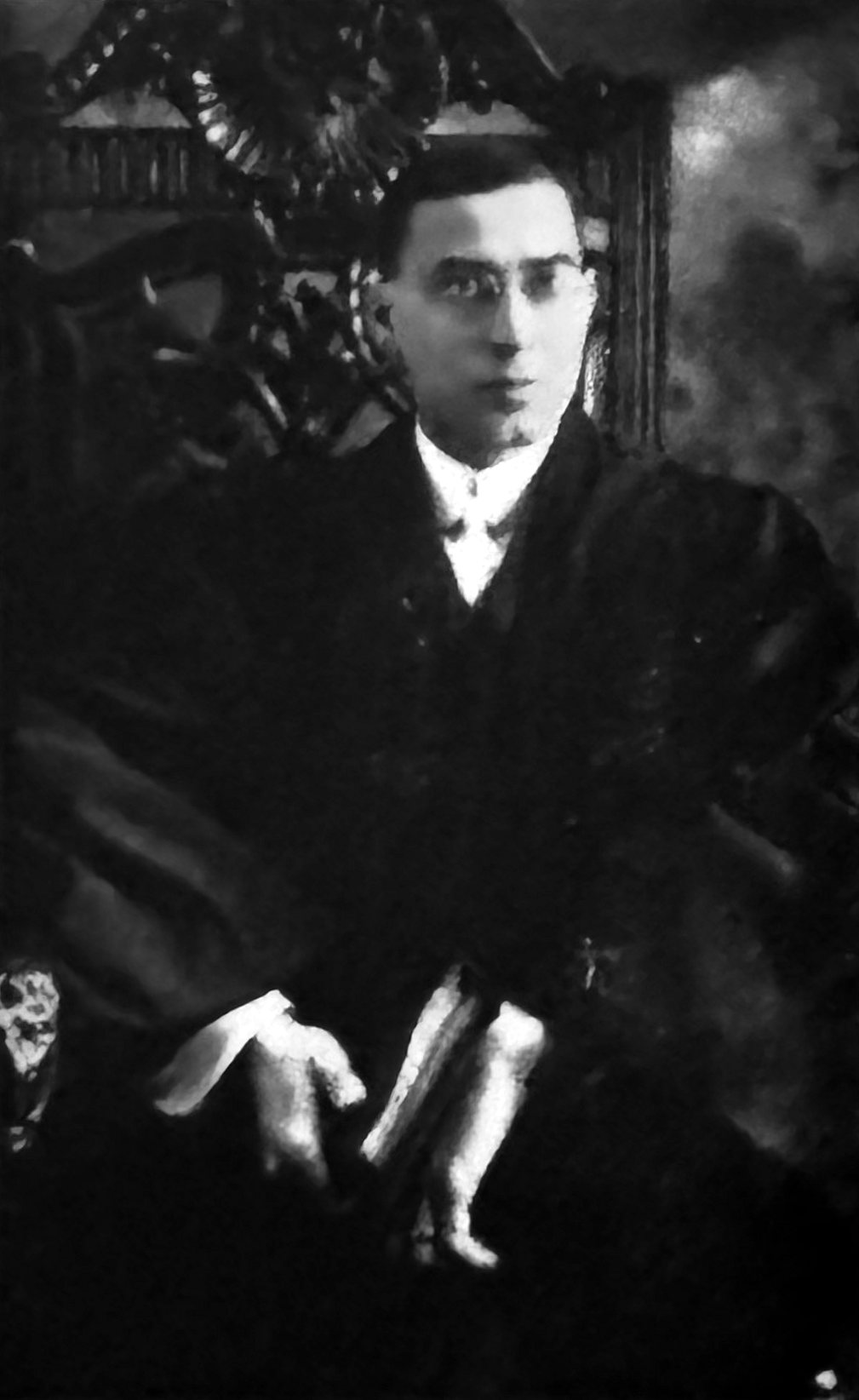
Rev. Theodore Kuehn First Service in Literary Hall
In 1915, at the urging of Pastor Henry Wolk of Immanuel, Whitestone, the Missouri Synod's Atlantic District mission board tried a third time, asking Pastor F. J. Muhlhauser, a missionary in Port Washington, to gather a Bayside congregation. The first service was held in Literary Hall on November 7, 1915. Pastor Muhlhauser made some two hundred house calls in his first several weeks, and a Sunday School began the following Sunday.
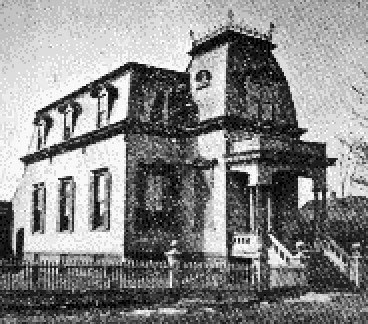
Literary Hall 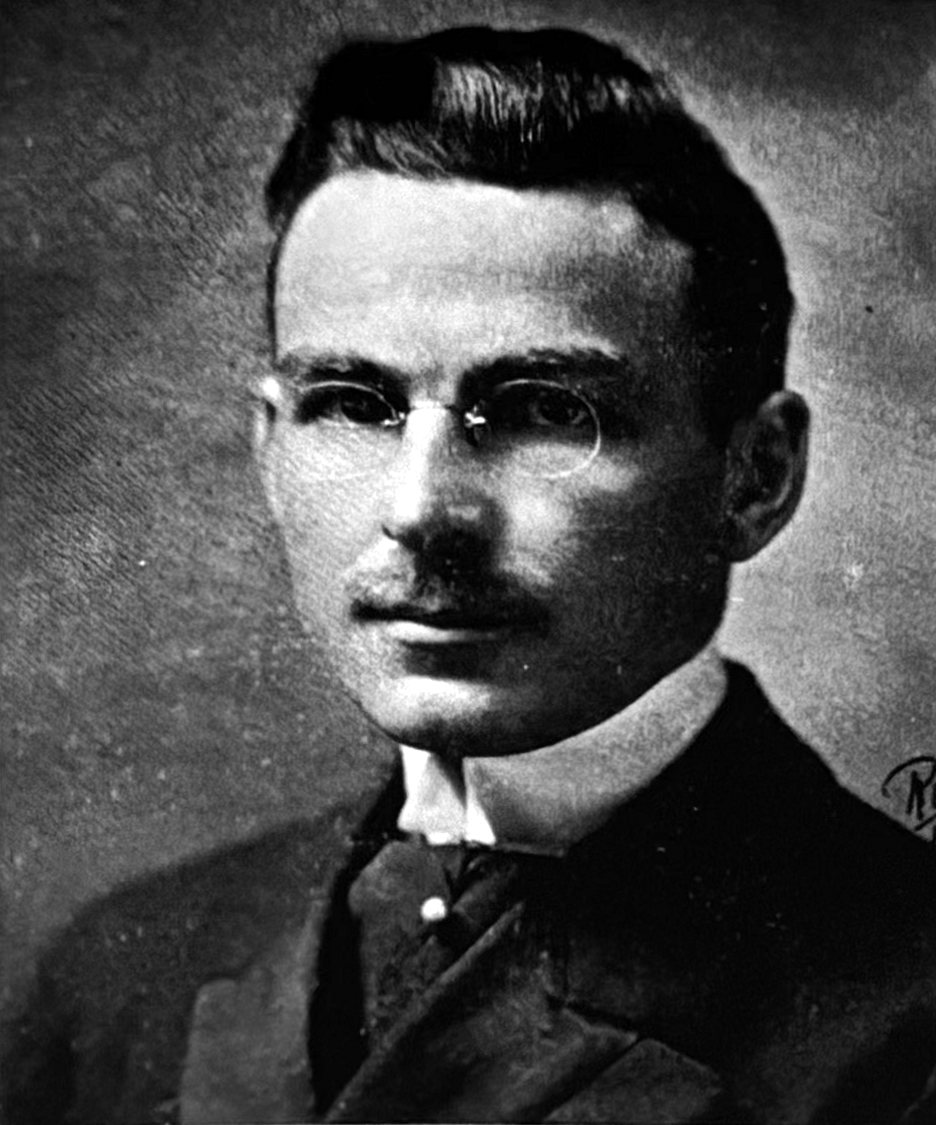
Rev. F. J. Muhlhauser 1915–1921 Store-Front Chapel on Bell Avenue
Literary Hall could not be adequately heated, so the congregation rented a store-front room in the Robertson Building on Bell Avenue and fitted it out as a chapel. By its dedication the mission had some 40 communicant members and about 50 children in Sunday School.
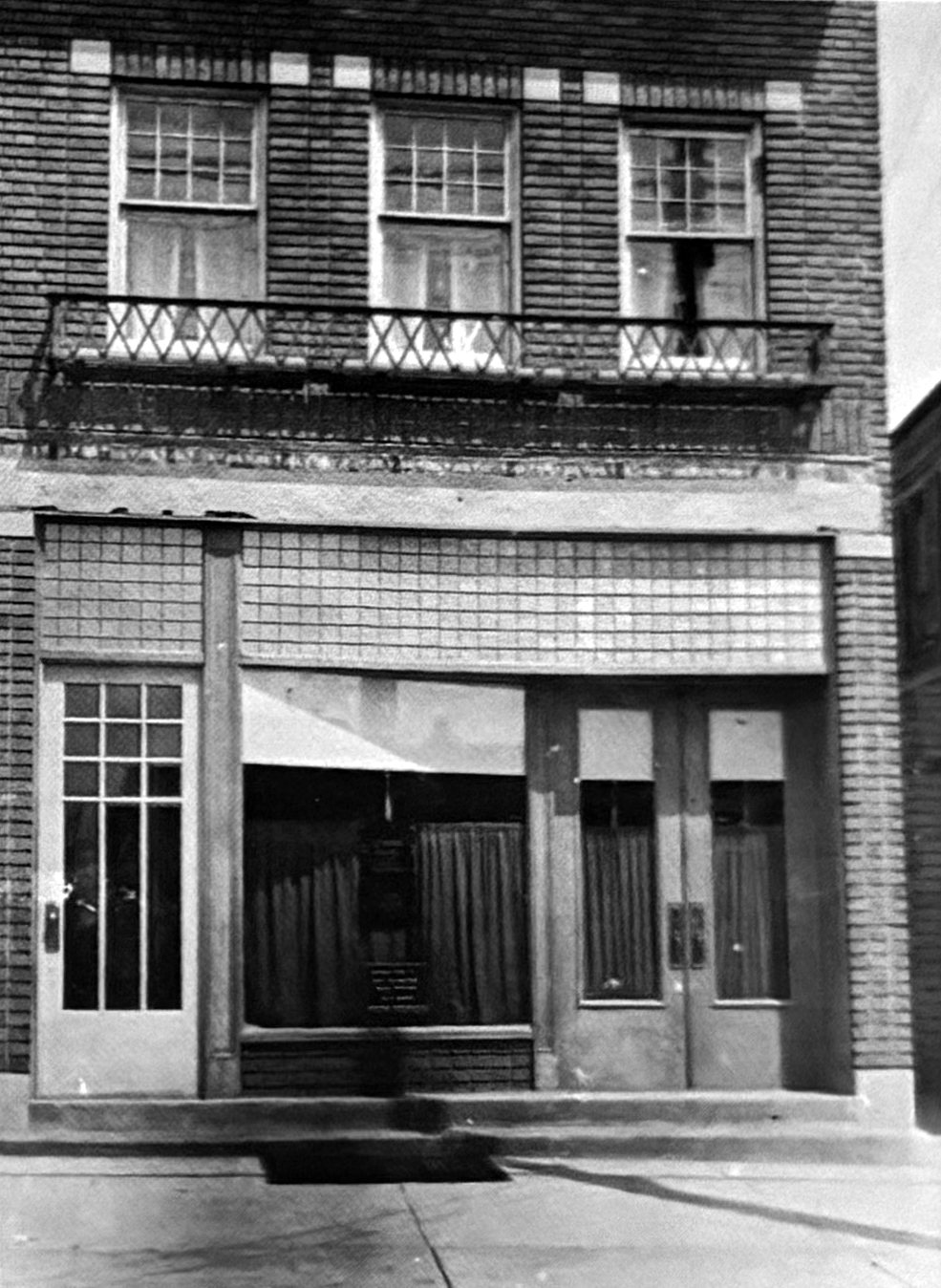
First place of worship Robertson Building, 1918 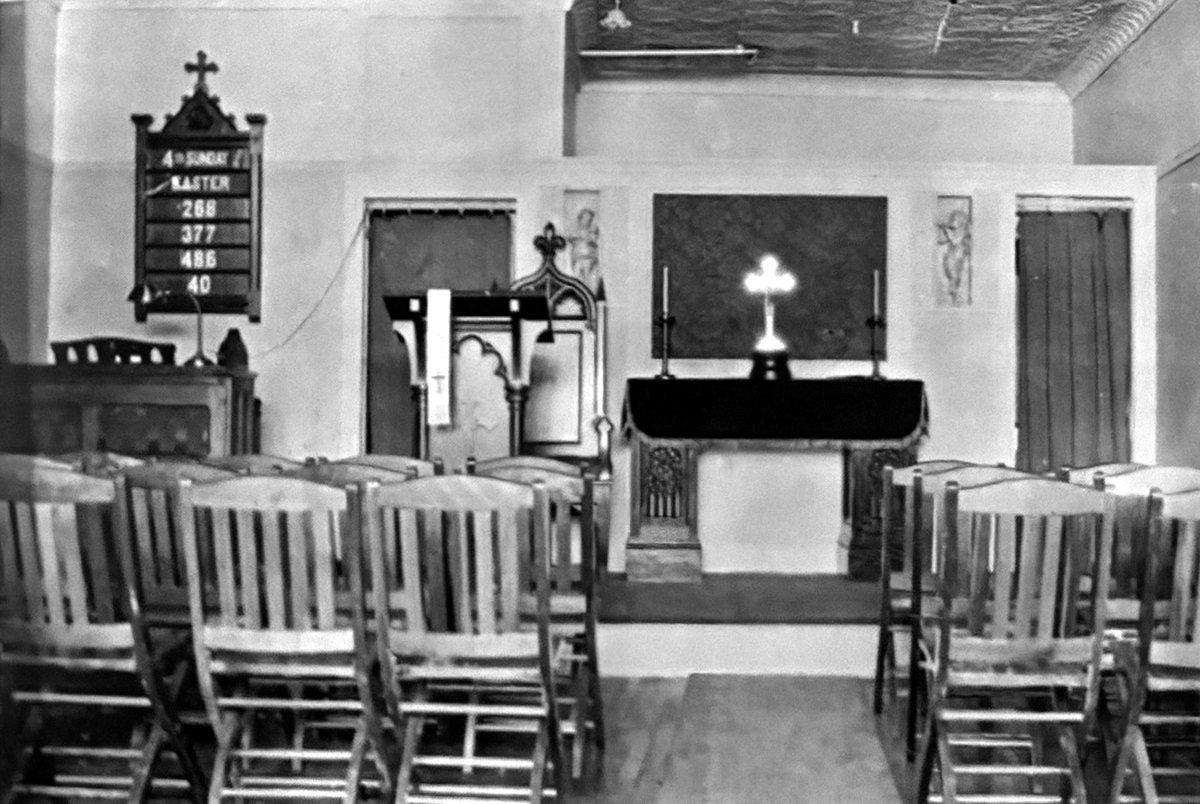
Chapel in the Robertson Bldg. 1918 A Name and a Home
Pastor Henry Wolk of Immanuel, Whitestone, became the mission's pastor in 1921, serving Bayside alongside his own congregation. That year the congregation incorporated as the English Evangelical Lutheran Church of the Redeemer and bought the corner of Bell and Lamartine (now 36th) Avenues, where the church stands today.
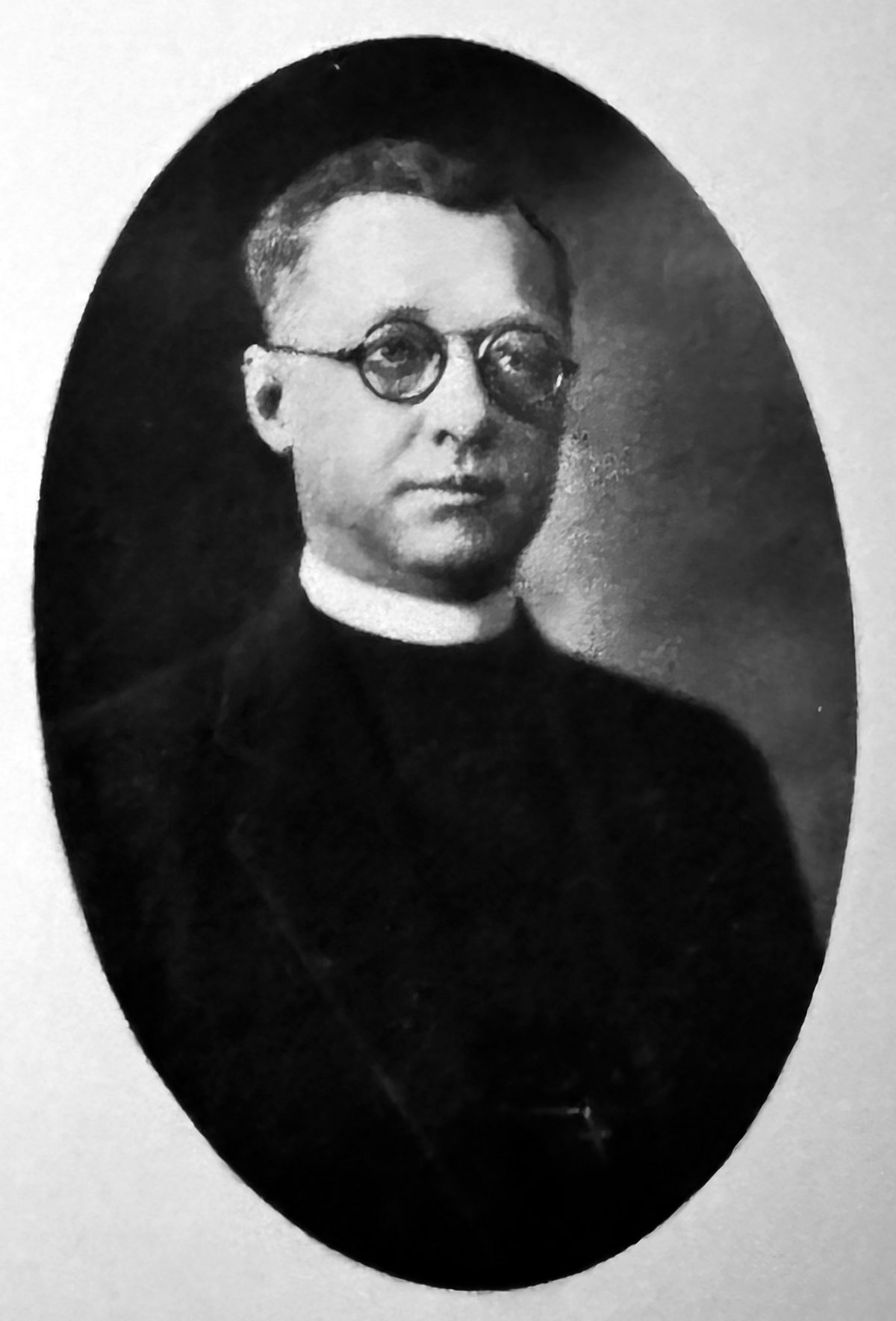
Rev. Henry Wolk 1921–1926 The Church Is Dedicated
Members gave the stained-glass windows and furnishings as memorial gifts. The congregation first worshipped in the unfinished church's basement on Christmas morning, 1923, and the church was dedicated on April 6, 1924. A two-manual Möller pipe organ followed six weeks later.
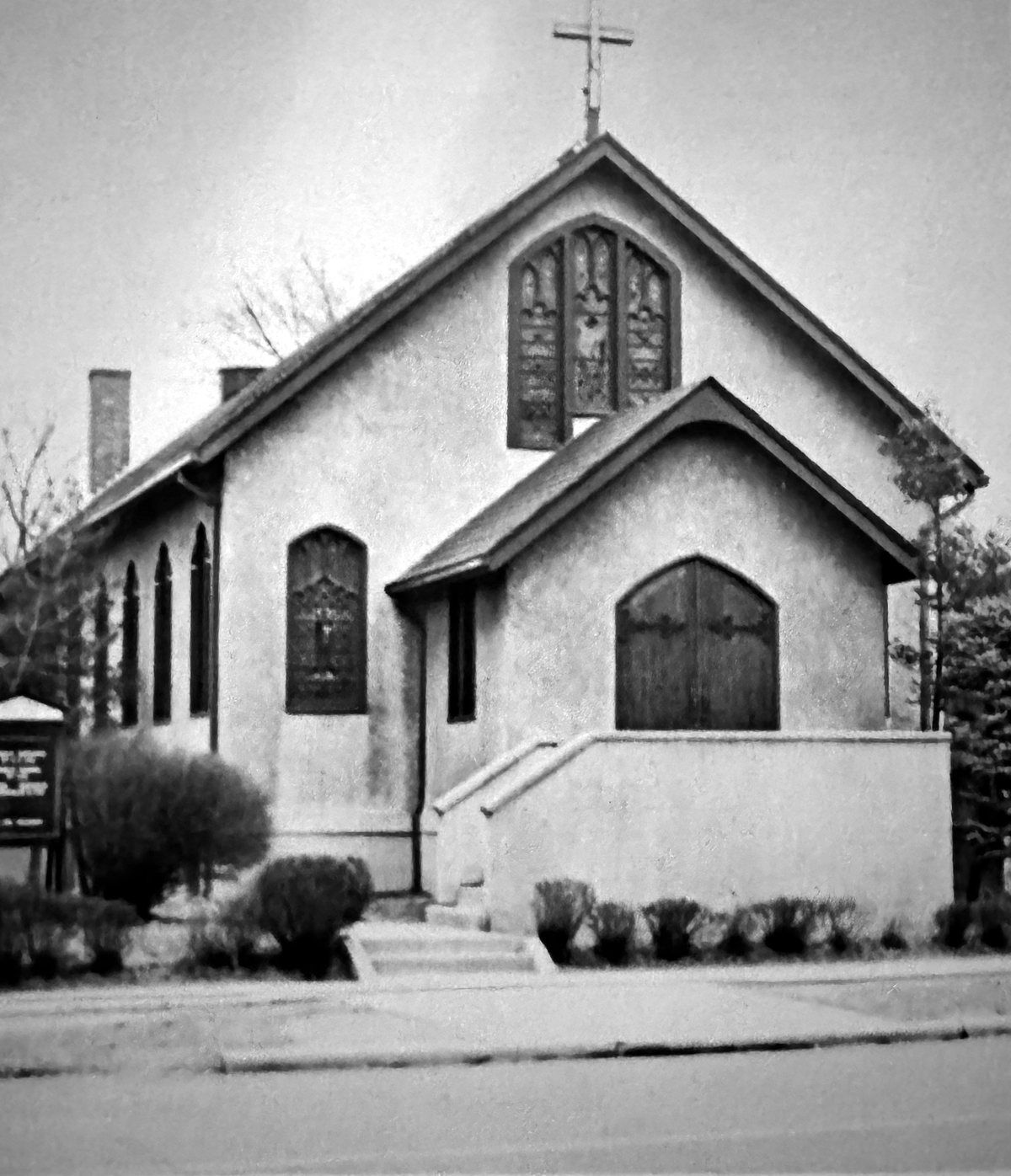
Redeemer Lutheran Church as it appeared in 1926 to 1959 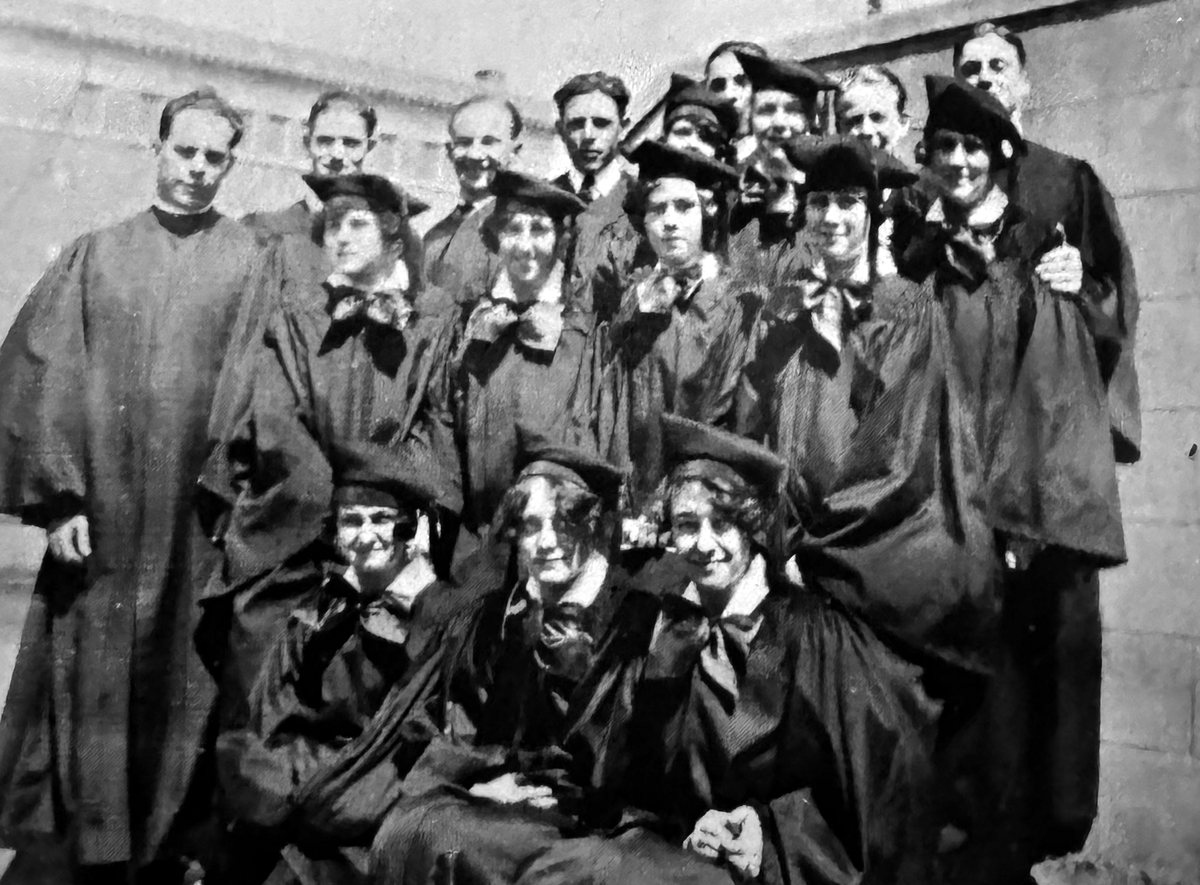
The First Choir First Resident Pastor
Pastor Wolk's own congregation, Immanuel in Whitestone, felt that serving two congregations had become too much for one man and asked that he be released from Bayside. Redeemer called a pastor of its own: Pastor Walter E. Schwolert of Mineola, installed on October 31, 1926. He would serve Redeemer for 36½ years.
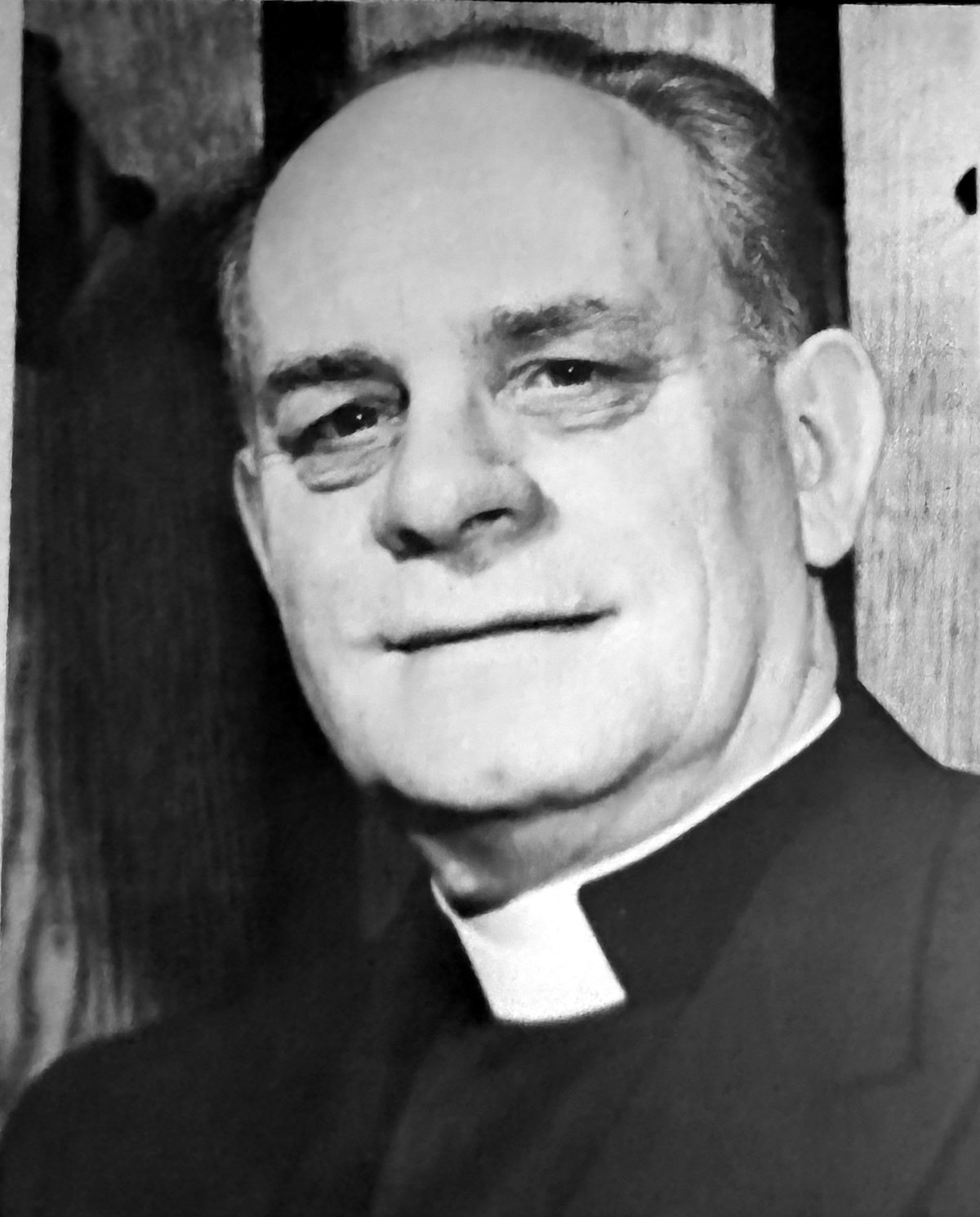
Rev. Walter E. Schwolert Pastor of Redeemer 1926–1963 1930–1950 Depression and War
The Depression Years
Redeemer formally joined the Lutheran Church–Missouri Synod in 1931. Money was scarce through the Depression, but the congregation kept growing: it bought its first parsonage in 1938 and passed 300 communicant members by the end of the decade.
World War II
Redeemer sent 106 of its members, nearly one-third of the congregation, to serve in the armed forces. Three gave their lives: Charles Newton Bohn, Arthur Eckert, and George Henry Rowlinson.
Carillon Chimes
The church's young people's group, which included several returning veterans, raised a war memorial: carillon chimes, dedicated in honor of those who served and in memory of the men who did not return.
The Mortgage Is Burned
On the church's 25th anniversary the congregation burned its mortgage and celebrated with a dinner at the Bayside Yacht Club. Jimmy Wallington, the famous radio announcer and a member of Redeemer, was toastmaster.
Planning for a School
After the war Bayside grew quickly, and a Building Committee was formed to plan for the church's future. It settled on a parish hall and a Christian day school as the best ways to reach the community. The congregation approved the plans in 1954.
1951–1965 Years of Outreach
First Son into the Ministry
Andrew Finger became the first young man of the congregation to be ordained into the Holy Ministry, and went to serve in the Nigerian mission field. Two more of Redeemer's sons followed him by 1964.
Parish Hall and Classrooms
To make room for a school, the congregation bought the three houses south of the church and remodeled the church's front. The new Parish Hall and first two classrooms were dedicated on Trinity Sunday, 1959, before a crowd of over 600.
Redeemer Lutheran School Opens
At its annual meeting in December 1959, the congregation voted to open the school the following fall. It began with a kindergarten class of 14 pupils, and first and second grades were added the next year.
Pastor Pflug Installed
Pastor Ernst R. Pflug of Albany, Texas, was installed as Redeemer's pastor. Later that year the church was renovated with new pews, and the school received its first principal.
The First Living Nativity
On the three nights before Christmas, the church's young people, directed by Pastor Pflug, presented an outdoor Living Nativity on the church lawn. It drew 900 spectators.
The Living Nativity today →Golden Anniversary
Redeemer marked fifty years. The anniversary history observed: "Fifty years ago, we were a Mission Church of only a handful, and today we are a Mission Church of over five hundred communicants."
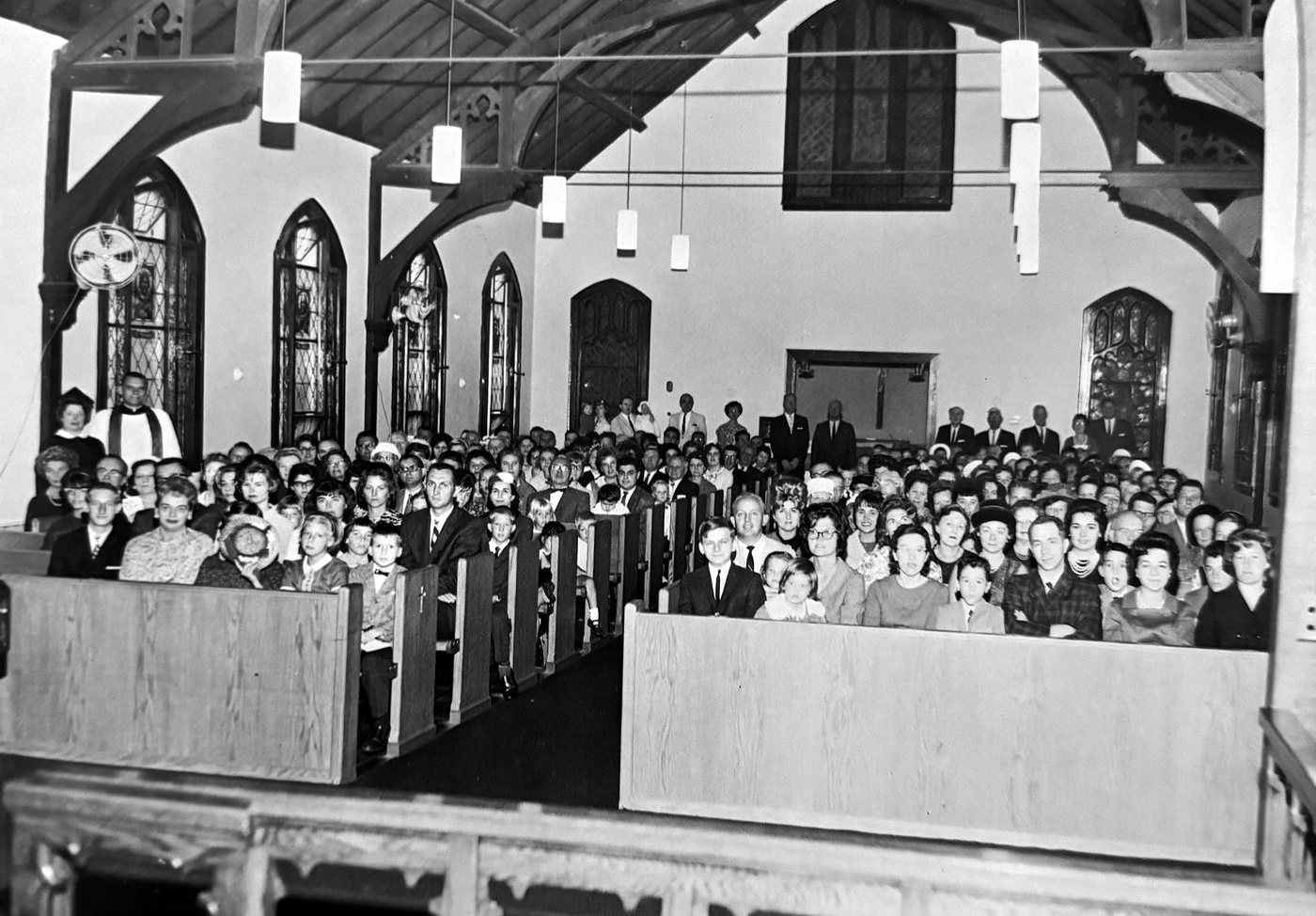
11:00 A.M. Worship Service 1965 View full sizeInto a Second Century
School Building Finished
Since 1959 the school had been built in phases, adding classrooms as it added grades. Its first class graduated in June 1968, and the last phase of the building was dedicated that October.
The Schlicker Organ
A new pipe organ by the Schlicker Organ Company of Buffalo was dedicated. From 1974 to 1982, a seminary student also served his vicarage, a year of practical training, at Redeemer each year.
Pastor Schultz Installed
Pastor William A. Schultz was installed as Redeemer's pastor.
Pastor Smith Installed
Pastor Ronald E. Smith of Christ Lutheran Church in East Moriches, New York, was installed as Redeemer's pastor.
The Lutheran School of Flushing and Bayside
Redeemer and the Lutheran Church of St. John in Flushing merged their schools into the Lutheran School of Flushing and Bayside, run by both congregations and housed in Redeemer's building on Bell Boulevard.
Pastor Jensen Installed
Pastor Jefrey S. Jensen came to Redeemer straight from Concordia Seminary in St. Louis.
Pastor Hamer Installed
Pastor Brian J. Hamer of Christ the King Lutheran Church in Riverview, Florida, was installed as Redeemer's pastor.
One Hundred Years
The congregation celebrated 100 years.
Pastor Stohlmann Installed
Pastor John S. Stohlmann came to Redeemer from Martin Luther School in Maspeth, Queens.
Redeemer Today
The congregation still worships on the corner of Bell Boulevard and 36th Avenue, bought in 1921, with the Rev. John S. Stohlmann as pastor.